Fire Risk Assessment for
Warehouses
Professional fire risk assessments for warehouses, distribution centres, and logistics facilities. BS EN 12845 sprinkler compliance, lithium-ion battery safety, and DSEAR chemical storage assessment. BAFE SP205 registered assessors.
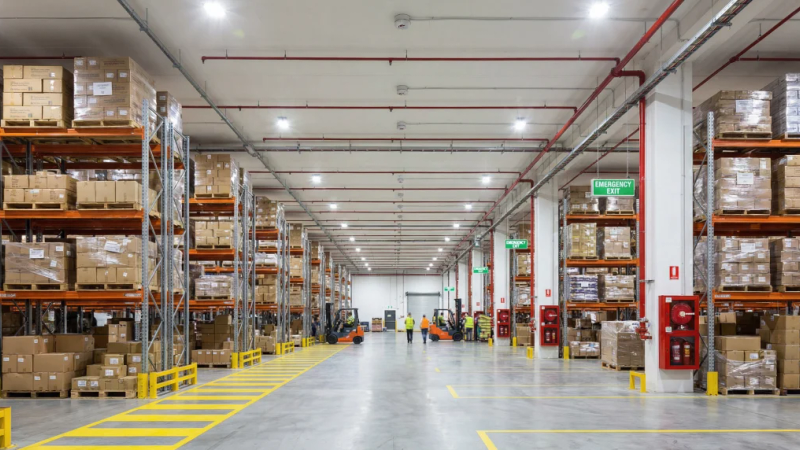
Warehouse buildings and distribution centres require specialist fire risk assessments that address high-bay storage, forklift operations, lithium-ion battery hazards, and chemical storage risks. Under the Regulatory Reform (Fire Safety) Order 2005, the responsible person for the building must ensure that adequate fire safety measures are in place throughout the facility.
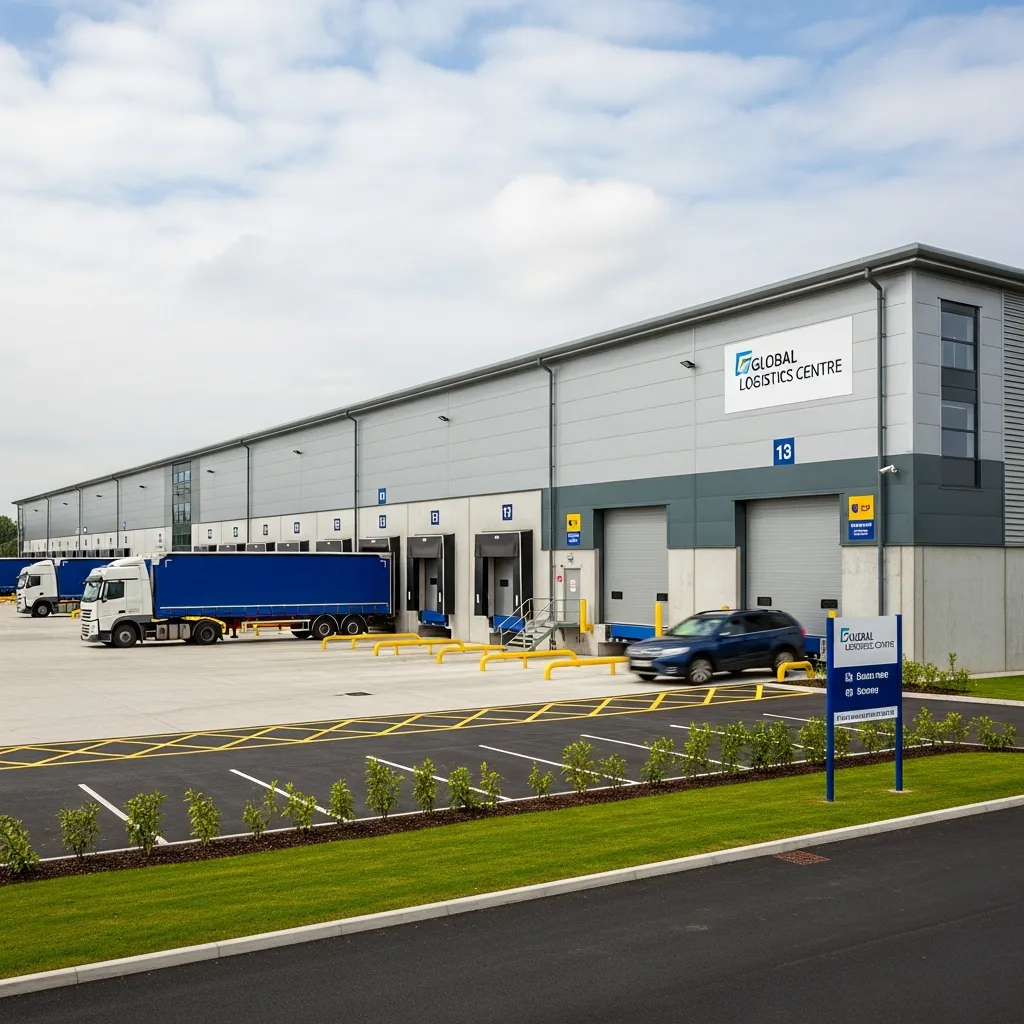
Serving Warehouses & Distribution Centres Across the UK
We work with warehouse operators, logistics managers, and health & safety officers responsible for all types of storage facilities:
- Distribution centres — large-scale logistics hubs with high-bay racking
- General warehouses — standard storage facilities
- Cold storage facilities — temperature-controlled environments
- Chemical storage — DSEAR-compliant chemical handling facilities
- Multi-site logistics networks — coordinated compliance across locations
Complete Warehouse Fire Safety Assessment Package
Every warehouse fire risk assessment includes a comprehensive package designed to meet all current legislative requirements and best practice standards:
- Full site inspection — high-bay racking, loading bays, charging stations, and operational areas
- High-bay storage analysis — vertical fire spread risks, combustible loads, sprinkler coverage
- Forklift & battery assessment — charging station safety, hydrogen ventilation, lithium-ion protocols
- Sprinkler system evaluation — BS EN 12845 compliance, ESFR coverage, pump testing records
- Chemical storage assessment — DSEAR compliance, segregation verification, COSHH documentation
- Loading bay review — fire-rated shutters, HGV procedures, separation distances
- Lithium-ion battery assessment — storage protocols, thermal runaway detection, Class D extinguishers
- Detailed photographic report — compliant with risk ratings and prioritised action plan
- Ongoing compliance support — guidance on implementing recommendations and review scheduling
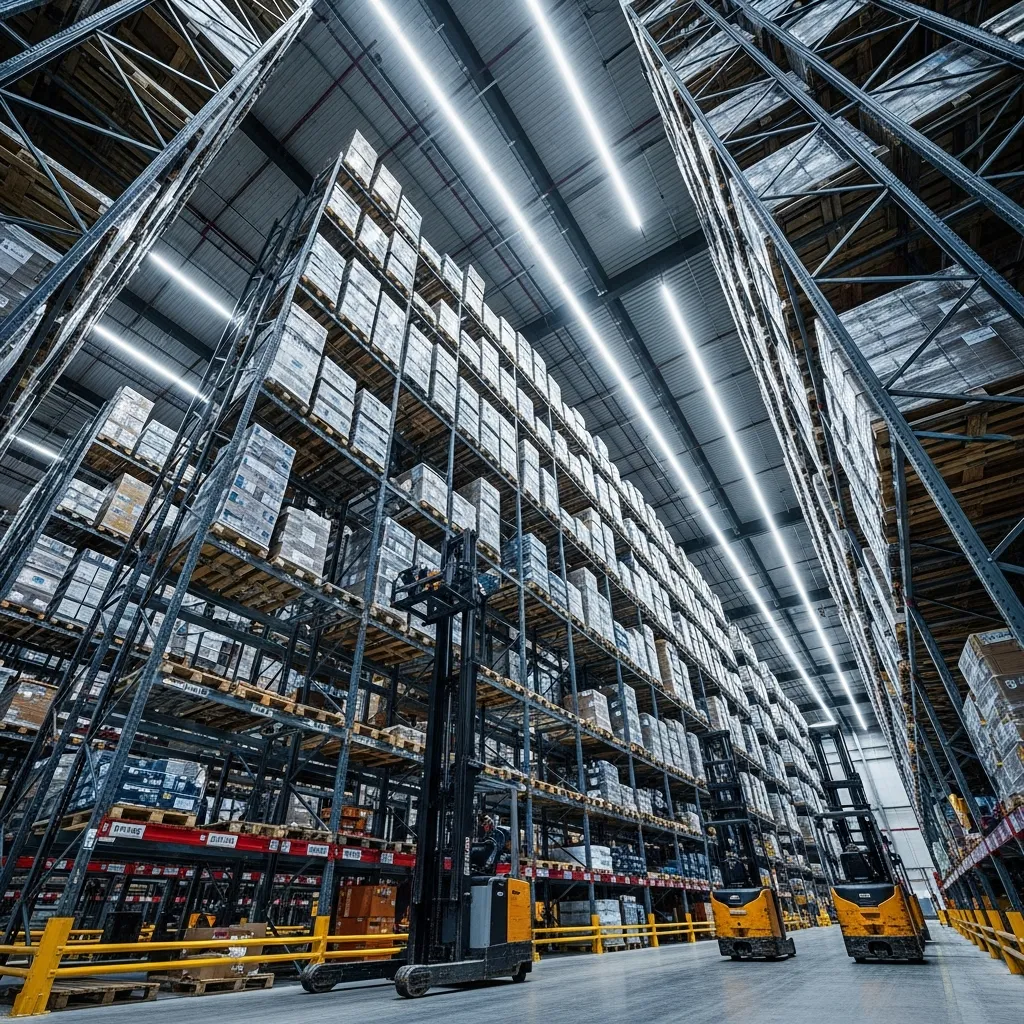
Why Warehouse Operators Choose Fire Assessment North
Warehouse operators and logistics managers across the UK trust us for their facilities because we understand the specific challenges of warehouse fire safety:
- 24-hour turnaround on standard assessments — minimising supply chain disruption
- BAFE SP205 registered — independently audited and accredited
- BS EN 12845 specialists — expert sprinkler compliance verification
- Insurance premium reduction — 10-60% discounts for compliant facilities
- Multi-site portfolio support — centralised scheduling with bulk discounts of 10-15%
- DSEAR expertise — chemical storage compliance verification
- Lithium-ion battery specialists — fastest-growing warehouse fire hazard expertise
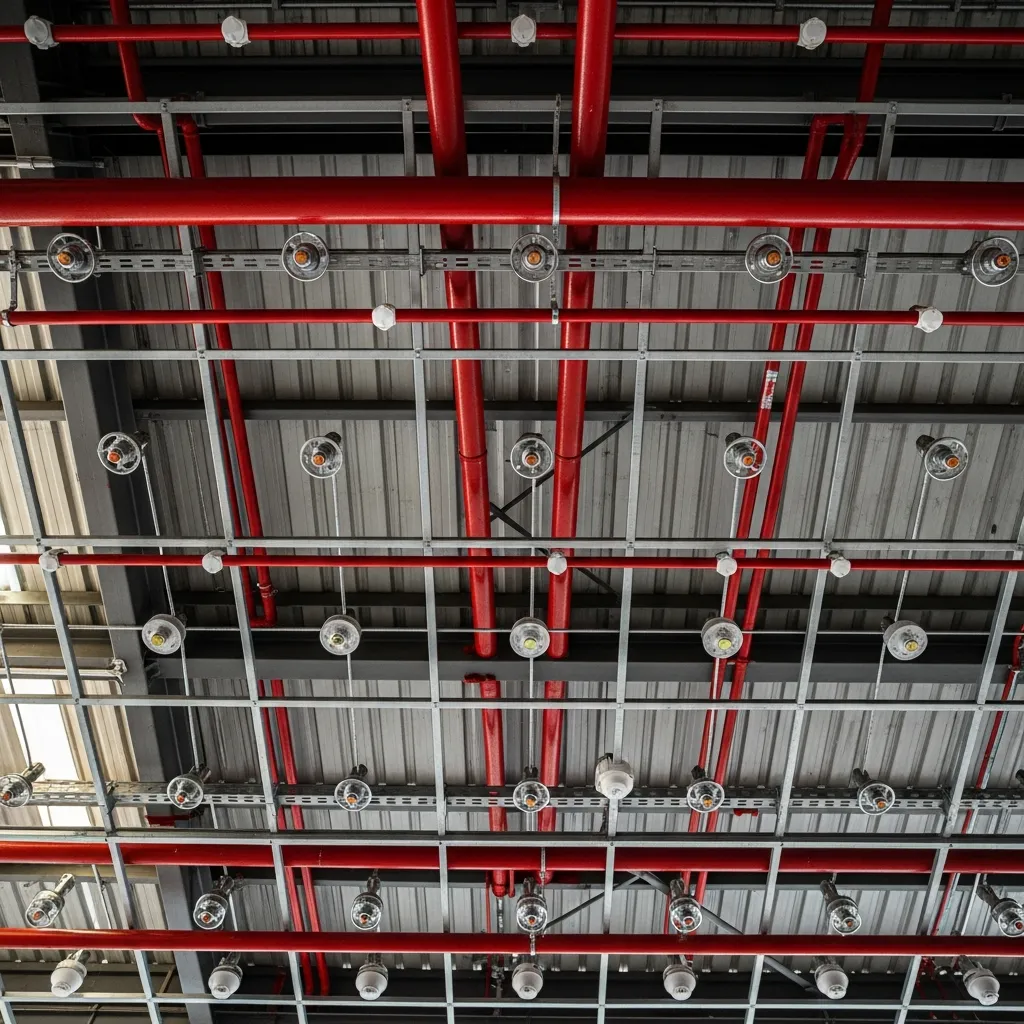
Why Warehouse Fire Risk Assessments Are Legally Mandatory
Warehouse fires can cause catastrophic losses exceeding £12 million per incident, with lithium-ion battery fires costing £158 million annually.
1,200+
Lithium-ion battery fires in 2024 alone
£158m
Annual cost of lithium-ion battery warehouse fires in UK
£12m
Major UK warehouse fire causing complete facility loss
Warehouse operators face severe penalties for fire safety failures. Glovers Court Ltd received £165,000 fine plus £10,512 costs for fire safety violations during warehouse conversion. A food distributor paid £180,000 for pallet storage failures. A logistics provider was fined £230,000 after battery charging station explosion. Major warehouse fires exceeding £12 million demonstrate the catastrophic financial and reputational damage from inadequate warehouse fire safety, with some facilities experiencing complete operational loss.
Our Specialist Warehouse Assessment Process
Comprehensive evaluations designed for modern warehouse operations including distribution centres, high-bay storage, and multi-site logistics facilities.
Site Inspection
Complete walk-through of high-bay racking, loading bays, forklift charging stations, chemical storage, and operational areas assessing fire risks.
High-Bay Storage Analysis
Evaluation of vertical fire spread risks, combustible load calculations, sprinkler coverage adequacy (BS EN 12845), and rack stability assessment.
Electrical & Forklift Assessment
Battery charging station evaluation, hydrogen gas ventilation, electrical circuit capacity, lithium-ion battery storage, and forklift fleet fire risks.
Sprinkler & Detection Evaluation
LPS 1301 sprinkler system compliance verification, ESFR coverage calculations, smoke detection in high ceilings, and maintenance record review.
Compliance-Ready Report
Professional documentation meeting Fire Safety Order 2005 requirements, insurance compliance, DSEAR chemical storage certification, and prioritised action plan.
6 Critical Warehouse Fire Hazards We Assess
Warehouse facilities present unique fire challenges that evolve with storage methods, battery technology, and 24/7 operational demands.
High-Bay Storage & Vertical Fire Spread
High-bay racking systems exceeding 10 metres facilitate catastrophic vertical fire spread at speeds that can overwhelm standard suppression systems. Palletised storage creates continuous fuel paths allowing flames to rapidly climb racking structures. Modern warehouses storing 20,000+ pallets represent enormous combustible loads. Standard sprinkler systems designed for lower storage heights provide inadequate protection for high-bay configurations.
Our Assessment:
Combustible load calculations using recognised fire engineering methodologies, vertical storage height measurements against sprinkler protection capabilities, rack stability evaluation preventing collapse during fires, sprinkler head clearance verification (minimum 36 inches for ESFR), aisle width adequacy for fire service vehicle access (minimum 3.7m), and detection system suitability for high ceilings.
Forklift Battery Charging Stations
Electric forklift battery charging stations generate significant fire and explosion risks that caused a £230,000 fine for a logistics provider after a hydrogen gas explosion. Lead-acid battery charging produces hydrogen gas requiring minimum 1.2 m³/hour ventilation per charging unit to prevent explosive atmosphere accumulation. Inadequate ventilation creates hydrogen concentrations reaching Lower Explosive Limit (4% by volume).
Our Assessment:
Battery charging room ventilation calculations ensuring minimum 1.2 m³/hour per unit, hydrogen gas detection system verification set at 25% LEL, electrical circuit capacity evaluation for multiple simultaneous charging units, acid spill containment and neutralisation equipment inspection, separation distance verification from combustible materials (minimum 3m), and DSEAR compliance for battery acid storage.
Sprinkler System Compliance (BS EN 12845)
Warehouse sprinkler systems complying with BS EN 12845 demonstrate 94% operational reliability and 99% effectiveness in controlling or extinguishing fires when properly maintained. High Hazard Storage Class 1 warehouses require water density of 7.8mm/min over minimum 216m² area with 60-minute water supply duration. Insurance companies offer 10-60% premium discounts for compliant facilities.
Our Assessment:
BS EN 12845 design compliance verification for storage classification, sprinkler head clearance inspection ensuring 36-inch minimum below deflector, water supply adequacy calculations, pump testing records review, frost protection measures, control valve supervision, LPS 1301 installer certification verification, and fire service inlet accessibility assessment.
Loading Bay & HGV Operations
Loading bay operations create significant fire safety challenges through compromised compartmentation when roller shutters remain open during HGV docking. Fire-rated roller shutters specified as FD60 or FD90 lose effectiveness when held open. Idling HGV engines running for extended periods create ignition sources near combustible packaging materials.
Our Assessment:
Fire-rated roller shutter specification verification, dock leveler operation procedures ensuring shutters close during non-operational periods, vehicle engine shutdown policy enforcement during loading/unloading, fuel spillage containment provisions and DSEAR compliance, separation distance adequacy between loading bays and internal storage (minimum 5m), and emergency exit accessibility during delivery operations.
Chemical Storage (DSEAR/COSHH)
Chemical storage in warehouses demands strict DSEAR compliance, with a chemical warehouse receiving £120,000 fine for segregation breaches. Incompatible chemical combinations create catastrophic risks — storing oxidisers near flammable liquids can trigger explosive reactions. Poor segregation caused a warehouse fire requiring 3,000 resident evacuation when incompatible chemicals reacted.
Our Assessment:
DSEAR compliance verification for dangerous substance storage and handling, chemical segregation adequacy using compatibility matrix, bunded storage area capacity calculations (minimum 110% of largest container), flammable liquid separation from ignition sources (minimum 5m), ventilation adequacy for vapour dissipation, COSHH risk assessment documentation review, and SDS accessibility for all stored chemicals.
Lithium-Ion Battery Fire Hazards
Lithium-ion battery storage represents the fastest-growing warehouse fire hazard with 1,200+ fires in 2024 alone, costing £158 million annually and comprising 48% of all waste fires. Thermal runaway events create self-sustaining fires that cannot be extinguished with conventional water or foam suppressants. Battery fires emit toxic gases including hydrogen fluoride, carbon monoxide, and cobalt particulates.
Our Assessment:
Lithium-ion battery storage location assessment ensuring minimum 3m separation from general inventory, charge state management verification (30-50% for long-term storage), Class D fire extinguisher provision specifically for metal fires, thermal runaway detection system suitability, damaged battery quarantine procedures, emergency response plan specific to lithium battery fires, and respiratory protection availability.
How Much Does a Warehouse Fire Risk Assessment Cost?
Costs typically range from £395–£2,500 depending on warehouse size, storage type, and complexity of fire protection systems.
Factors affecting cost: Costs are influenced by floor area, storage height, sprinkler system complexity, presence of chemical storage, lithium-ion battery handling, and whether DSEAR assessment is required. Multi-site portfolios benefit from 10-15% bulk discount. Insurance premium reductions of 10-60% are achievable with compliant facilities.
Frequently Asked Questions
Common questions from warehouse operators, logistics managers, and health & safety officers about warehouse fire safety.
How often should a warehouse fire risk assessment be updated?
What are BS EN 12845 sprinkler requirements for warehouses?
How do lithium-ion batteries affect warehouse fire risk?
What are the fire risks of forklift battery charging stations?
How high can warehouse racking be without special fire protection?
What are DSEAR requirements for chemical storage in warehouses?
Do multi-site warehouse networks need separate assessments for each location?
What fire protection is needed for 24/7 warehouse operations?
What are the penalties for not having a warehouse fire risk assessment?
How do loading bay operations affect warehouse fire risk?
Ready to Get Your Fire Risk Assessment for Warehouses?
Professional service from BAFE-accredited engineers. 24-hour turnaround. From £395 + VAT.