Fire Risk Assessment for
Retail
Professional fire risk assessments for high street shops, shopping centres, and multi-site retail chains. Specialist compliance for customer congestion, seasonal displays, and POS electrical safety. BAFE SP205 registered assessors.
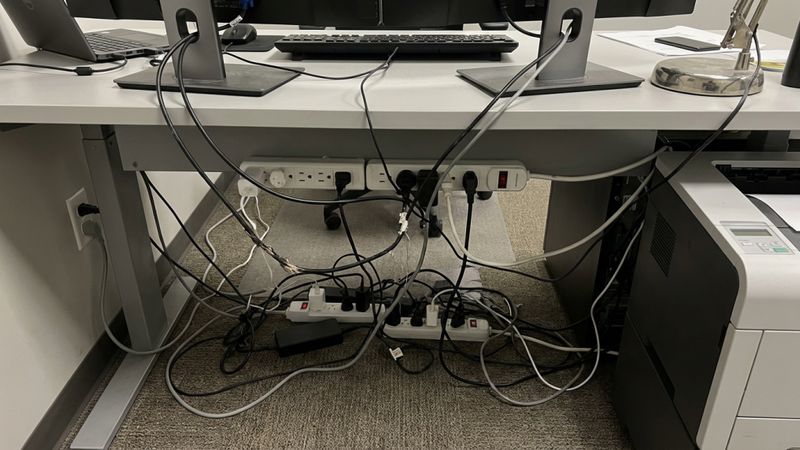
Retail shops and shopping centres require specialist fire risk assessments that address customer evacuation, seasonal display compliance, POS electrical safety, and peak trading period planning. Under the Regulatory Reform (Fire Safety) Order 2005, the responsible person for the premises must ensure that adequate fire safety measures are in place to protect customers, staff, and the public.
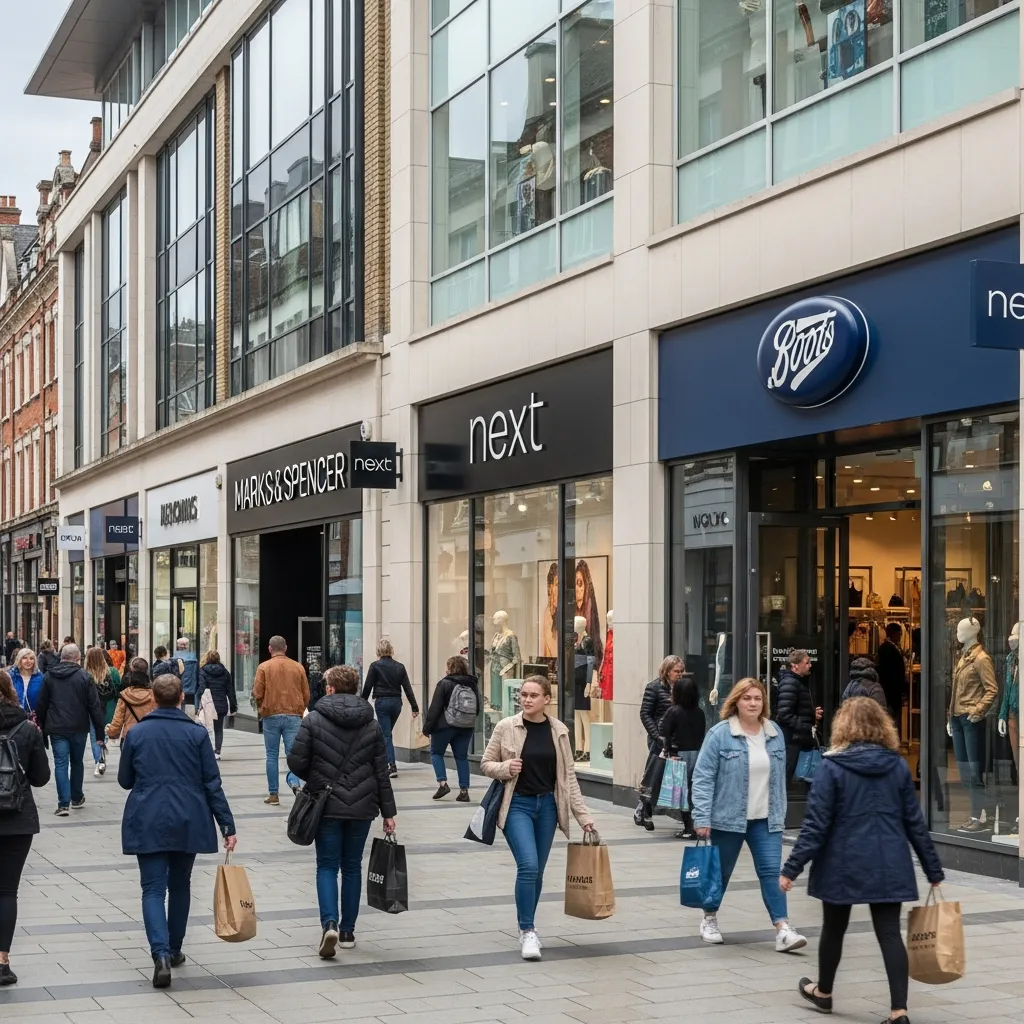
Serving Retail Premises Across the UK
We work with retail operators, store managers, and compliance officers responsible for all types of retail environments:
- High street shops — single units and flagship stores
- Shopping centre units — within managed complexes
- Department stores — multi-floor retail operations
- Multi-site chains — standardised compliance across locations
- Pop-up shops — temporary retail premises
Complete Retail Fire Safety Assessment Package
Every retail fire risk assessment includes a comprehensive package designed to meet all current legislative requirements and best practice standards:
- Full store inspection — customer areas, stockrooms, changing rooms, POS zones
- Customer & peak period analysis — occupancy calculations, exit capacity, crowd management
- POS & electrical assessment — load calculations, circuit capacity, cable management
- Seasonal display evaluation — fire retardancy, exit clearance, sprinkler obstruction
- Stockroom & storage review — combustible loads, fire door compliance, housekeeping
- Changing room safety — travel distances, detection, evacuation procedures
- Detailed photographic report — compliant with risk ratings and prioritised action plan
- Ongoing compliance support — guidance on implementing recommendations and review scheduling
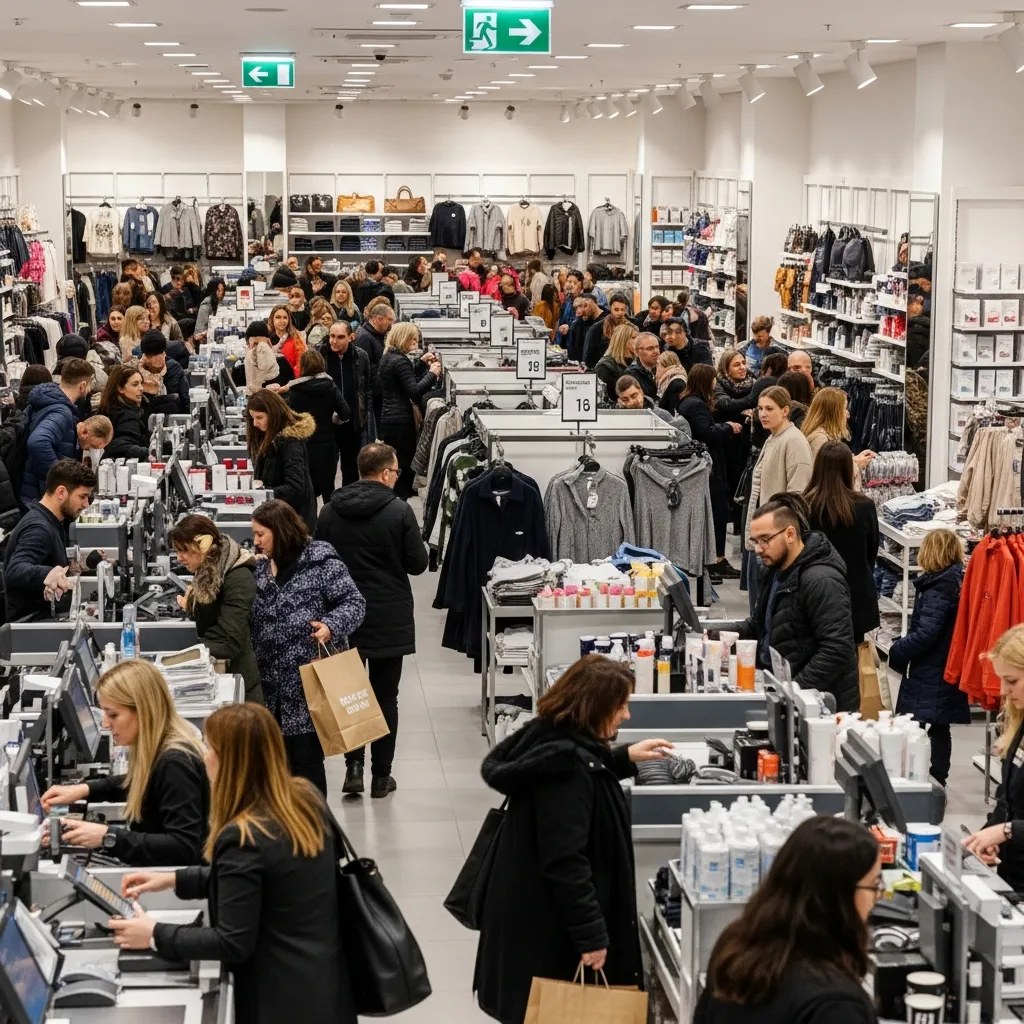
Why Retail Operators Choose Fire Assessment North
Retail operators and store managers across the UK trust us for their premises because we understand the specific challenges of retail fire safety:
- 24-hour turnaround on standard assessments — minimising trading disruption
- BAFE SP205 registered — independently audited and accredited
- Multi-site specialists — standardised frameworks with bulk discounts of 10-15%
- Seasonal display expertise — Christmas, Black Friday, and promotional event planning
- Shopping centre coordination — Article 22 FSO 2005 compliance support
- Competitive pricing — transparent fees with no hidden costs

Why Retail Fire Risk Assessments Are Legally Mandatory
Retail environments face unique fire risks from customer congestion, seasonal displays, electrical equipment, and peak trading periods.
19%
Retail fires caused by electrical faults – easily preventable
Black Friday
2014: Police called to multiple retailers for crowd crushing
10,106
Fire authority audits of retail premises annually
Retail operators face severe penalties for fire safety failures. New Look Retailers Ltd received a £400,000 fine for blocked escape routes and inadequate training. Greggs paid £50,000 for locked fire exits with padlocks. Poundstretcher was fined £51,500 for blocking emergency exits. The Regulatory Reform (Fire Safety) Order 2005 mandates ALL retail premises maintain written fire risk assessments with annual reviews, carrying penalties up to unlimited fines and 2 years imprisonment for serious breaches. Recent cases show courts now imposing suspended custodial sentences on responsible persons whose negligence endangers lives.
Our Specialist Retail Assessment Process
Comprehensive evaluations designed for modern retail environments including high street shops, shopping centres, and multi-site chains.
Site Inspection
Complete walk-through of customer areas, stockrooms, changing rooms, POS zones, and storage spaces assessing layout and fire risks.
Customer & Peak Period Analysis
Evaluation of maximum occupancy, exit capacity during sales events, Black Friday crowd management, and seasonal display fire safety.
Electrical & POS Assessment
POS terminal load calculations, electrical circuit capacity, extension lead management, and equipment safety causing 19% of retail fires.
Display & Storage Evaluation
Seasonal decoration compliance, exit clearance verification, stockroom combustible loads, and fire-retardant material requirements.
Compliance-Ready Report
Professional documentation meeting Fire Safety Order 2005 requirements, insurance compliance, multi-site standardisation, and prioritised action plan.
6 Critical Retail Fire Hazards We Assess
Retail spaces present unique fire challenges that evolve with shopping trends, seasonal changes, and customer behaviour patterns.
Customer Congestion & Peak Periods
Peak shopping periods create severe evacuation challenges through unprecedented customer density. Black Friday 2014 saw police called to multiple UK retailers for crowd crushing incidents. Peak occupancy during sales events can triple normal capacity, overwhelming standard exit provisions. Customer queues routinely block fire exits and evacuation routes.
Our Assessment:
Maximum occupancy calculations using 5m² per person retail space factor, exit capacity verification (750mm door = 80-100 persons, 1050mm = 160-200 persons), travel distance measurements (maximum 60m low-risk, 12m high-risk single exit), queue management impact on escape routes, Black Friday/peak period crowd control procedures, and assembly point capacity for maximum occupancy.
Seasonal Displays & Merchandising
Seasonal displays dramatically alter fire dynamics and present enforcement's most frequently prosecuted retail violation. New Look Retailers Ltd received £400,000 fine for blocked escape routes. All displays must maintain minimum 1-metre clearance from exits and emergency routes. Decorations cannot exceed 20% wall coverage limits. Paper and cardboard decorations are prohibited — all materials must be fire-retardant certified.
Our Assessment:
Exit clearance verification (minimum 1m maintained at all times), seasonal decoration fire-retardant certification review, wall coverage percentage calculations (maximum 20%), sprinkler head obstruction inspection (minimum 450mm clearance), detector coverage verification ensuring displays don't create detection blind spots, and electrical load assessment for display lighting.
POS & Electrical Equipment
Modern retail relies on extensive electrical systems creating the leading fire cause in retail environments. Electrical equipment accounts for 19% of all retail fires. Multiple POS terminals at each checkout generate significant heat. Additional temporary tills during peak periods overload circuits designed for standard capacity.
Our Assessment:
Electrical load calculations for POS areas accounting for all devices, circuit capacity verification against actual demand including peak period temporary tills, cable management adequacy inspection identifying damaged cables and trip hazards, power strip and extension lead usage evaluation (daisy-chaining identification), dust accumulation inspection in electrical equipment areas, and PAT testing compliance review.
Stockroom & Storage Areas
Behind-the-scenes retail areas pose significant concentrated fire risks often invisible to customers. Stockrooms accumulate extensive combustible packaging materials including cardboard boxes, plastic wrapping, wooden pallets, and polystyrene cushioning creating high fire loads. Fire doors become routinely blocked during delivery periods. Temporary stock overflow during seasonal peaks creates additional exit obstructions.
Our Assessment:
Combustible load calculations for storage areas using recognised fire loading methodologies, vertical storage height restrictions and stability verification, fire door functionality testing (self-closing mechanisms, seals, gaps), escape route obstruction inspection particularly during delivery and peak periods, separation between storage and ignition sources, and housekeeping effectiveness.
Changing Rooms & Fitting Areas
Changing rooms create unique fire safety challenges balancing customer privacy with safety monitoring requirements. Limited staff visibility into cubicles delays fire discovery. Accumulation of combustible materials including clothing tags, plastic hangers, and paper receipts increases fire load. Partially dressed customers require additional evacuation time and create hesitancy delaying egress.
Our Assessment:
Travel distance calculations from furthest changing cubicle to final exit (assessing dead-end corridor compliance), detection system adequacy ensuring early warning in privacy-restricted areas, evacuation procedure development balancing customer dignity with safety urgency, staff training on changing room evacuation assistance, and combustible material management including regular clearing of tags/hangers/packaging.
Shopping Centre & Multi-Tenant Coordination
Shopping centres and multi-level department stores face compounded fire risks requiring sophisticated coordination. Multiple responsible persons across landlords, anchor tenants, and individual retailers create overlapping jurisdictions requiring formal cooperation under Article 22 Fire Safety Order 2005. Interconnected fire alarm and sprinkler systems demand coordinated maintenance and testing schedules.
Our Assessment:
Responsibility mapping clearly delineating landlord vs tenant fire safety obligations, coordination protocol review ensuring Article 22 FSO 2005 compliance including documented cooperation agreements, shared system integration assessment (alarms, sprinklers, emergency lighting), evacuation procedure compatibility verification ensuring tenant plans align with shopping centre procedures, and tenant compliance monitoring programs.
How Much Does a Retail Fire Risk Assessment Cost?
Costs typically range from £395–£1,200 depending on shop size, number of floors, and complexity of operations.
Factors affecting cost: Costs are influenced by floor area, number of floors, presence of commercial kitchen, customer occupancy levels, seasonal display requirements, and whether multi-site standardisation is needed. Multi-site portfolios benefit from 10-15% bulk discount.
Frequently Asked Questions
Common questions from retail operators, shop managers, and compliance officers about fire safety in retail premises.
How often should a retail fire risk assessment be updated?
What are the specific fire risks during Black Friday and peak shopping periods?
Do I need separate assessments for customer and staff areas?
How do multi-site retail fire risk assessments work?
What happens if seasonal displays block fire exits?
Are changing rooms considered high-risk areas in retail fire assessments?
What are the penalties for not having a retail fire risk assessment?
How do POS systems and electrical equipment affect fire risk?
Do shopping centre tenants need their own fire risk assessment?
What should be included in retail staff fire safety training?
Ready to Get Your Fire Risk Assessment for Retail Premises?
Professional service from BAFE-accredited engineers. 24-hour turnaround. From £395 + VAT.