Fire Risk Assessment for
Restaurants
Professional fire risk assessments for restaurants, cafes, and takeaways. Commercial kitchen safety, TR19 extraction compliance, gas safety certification, and licensing-compliant documentation. BAFE SP205 registered assessors.

Restaurants, cafes, and takeaways require specialist fire risk assessments that address commercial kitchen hazards, extraction system compliance, gas safety, and customer evacuation planning. Under the Regulatory Reform (Fire Safety) Order 2005 and the Licensing Act 2003, the responsible person must ensure that adequate fire safety measures are in place throughout the premises.
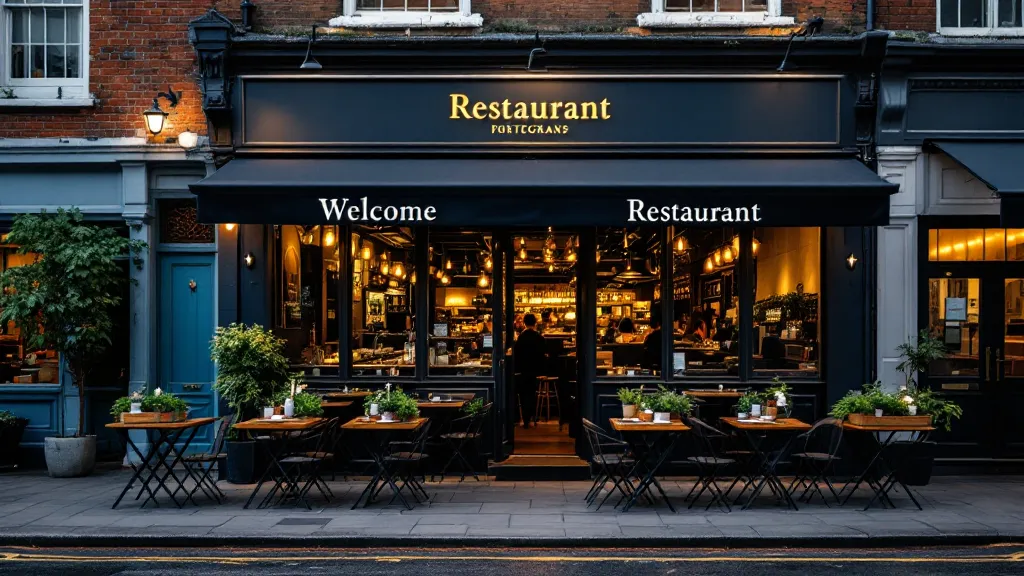
Serving Restaurants & Food Premises Across the UK
We work with restaurant owners, chefs, and licence holders responsible for all types of food establishments:
- Restaurants — fine dining, casual dining, and chain restaurants
- Cafes & coffee shops — high street and independent premises
- Takeaways — fast food and delivery-only kitchens
- Pubs & bars — licensed premises with food service
- Hotel restaurants — hospitality dining facilities
Complete Restaurant Fire Safety Assessment Package
Every restaurant fire risk assessment includes a comprehensive package designed to meet all current legislative requirements and licensing standards:
- Full kitchen inspection — cooking equipment, extraction systems, gas safety, grease accumulation
- Extraction system review — TR19 compliance, filter condition, cleaning frequency recommendations
- Gas safety assessment — CP42 certification verification, LPG storage, gas interlock functionality
- Customer evacuation planning — occupancy calculations, exit widths, peak service considerations
- Fire suppression evaluation — UL 300 wet chemical systems, automatic fuel shutoffs
- Alcohol & flammable storage — DSEAR compliance, cellar ventilation, storage cabinet specifications
- Detailed photographic report — licensing-compliant with risk ratings and prioritised action plan
- Ongoing compliance support — guidance on implementing recommendations and review scheduling
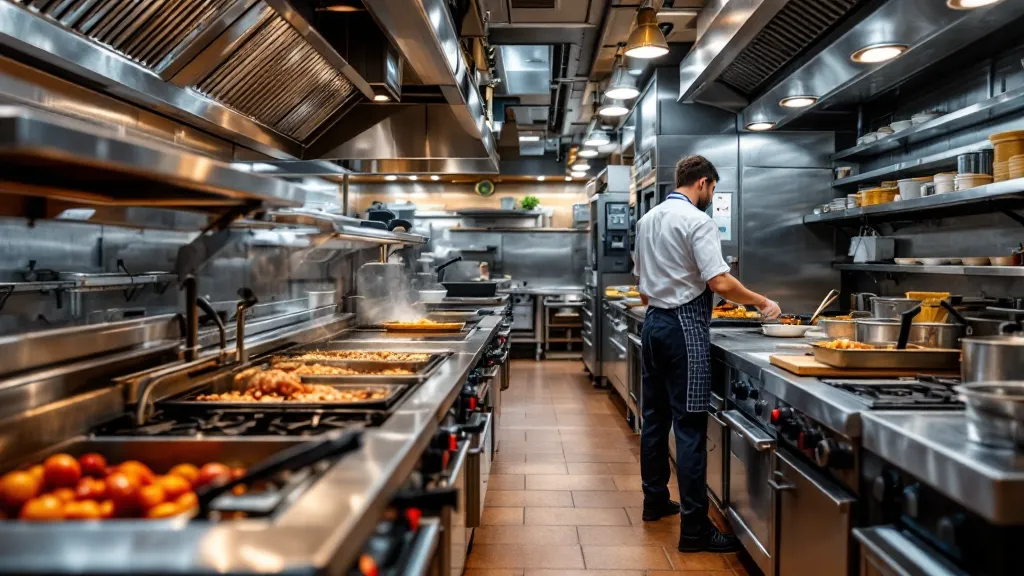
Why Restaurant Owners Choose Fire Assessment North
Restaurant owners and chefs across the UK trust us for their premises because we understand the specific challenges of commercial kitchen fire safety:
- 24-hour turnaround on standard assessments — licensing deadlines met every time
- BAFE SP205 registered — independently audited and accredited
- Commercial kitchen specialists — we understand fryers, grills, extraction, and grease fires
- Licensing-compliant documentation — accepted by all local licensing authorities
- TR19 extraction expertise — cleaning frequency and compliance verification
- Competitive pricing — from £195, transparent fees with no hidden costs
Why Every Restaurant Owner Needs a Fire Risk Assessment
Restaurants account for 42% of all food and drink sector fires. Without a compliant assessment, you risk losing your premises licence, voiding your insurance, and endangering lives.
£195
Starting price for restaurant fire risk assessment
Legal
Requirement under FSO 2005 and Licensing Act 2003
£30k
Maximum fine for non-compliance with fire safety orders
Commercial kitchens are high-risk fire environments. The Regulatory Reform (Fire Safety) Order 2005 makes fire risk assessments mandatory for all commercial premises, including restaurants, cafes, pubs, and takeaways. Additionally, the Licensing Act 2003 places fire safety at the centre of the public safety licensing objective — meaning your premises licence application or renewal requires documented fire safety compliance. With 1,510 fires in UK food premises annually and cooking equipment causing 60% of incidents, proper assessment isn't optional — it's essential protection for your business, staff, and customers.
Our Restaurant-Specific 5-Step Process
We understand commercial kitchens. Our assessments address the unique fire hazards restaurants face — not generic office building checklists.
Kitchen Inspection
Comprehensive evaluation of cooking equipment, extraction systems, gas safety, and grease accumulation.
Hazard Analysis
Identification of restaurant-specific risks including oil fires, ductwork hazards, and alcohol storage.
Customer Safety
Assessment of dining area evacuation routes, occupancy levels, and peak service considerations.
System Testing
Verification of fire suppression systems, heat detectors, extraction interlocks, and emergency lighting.
Licensing Report
Insurance and licensing-approved documentation delivered within 24 hours.
6 Restaurant Fire Hazards We Assess
These are the exact hazards that cause 1,510 food premises fires annually in the UK. We check every single one.
Cooking Equipment & Oil Fires
Deep fryers, grills, ovens, and charbroilers operating at extreme temperatures create the highest fire risk in commercial kitchens. Cooking equipment accounts for more than 60% of fires in eating and drinking establishments, with oil fires particularly dangerous due to high ignition temperatures and rapid spread. Unattended cooking, thermostat failures, and grease spills escalate risk significantly during busy service periods.
Our Assessment:
Assessment of equipment positioning, clearances from combustibles, automatic fuel shutoffs, staff training procedures, and UL 300-compliant fire suppression system coverage over all cooking appliances.
Extraction Systems & Ductwork
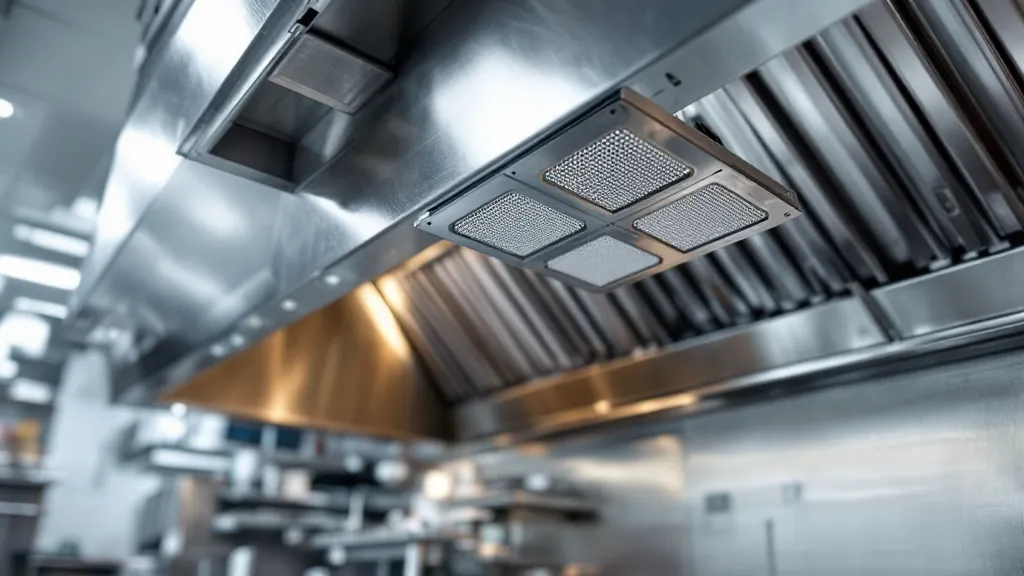
Extraction ductwork and canopy hoods accumulate flammable grease deposits during normal cooking operations. Without TR19-compliant professional cleaning every 3-6 months, these deposits become thick, combustible fuel sources. Once ignited by cooking heat or sparks, grease fires spread rapidly through concealed ductwork to roof spaces, proving extremely difficult to extinguish and causing catastrophic damage.
Our Assessment:
Inspection of extraction system cleanliness, verification of TR19 cleaning documentation, assessment of filter condition, evaluation of grease capture efficiency, and recommendations for cleaning frequency based on cooking volume.
Gas Safety & LPG Storage
Commercial kitchens using gas cooking equipment face risks from LPG cylinder storage, gas pipework integrity, and supply system failures. Gas leaks can cause explosive fires with devastating consequences. Gas Safe regulations require annual CP42 certification, gas interlock systems that shut off supply when ventilation fails, and properly designed cylinder storage areas.
Our Assessment:
Verification of current CP42 gas safety certification, assessment of LPG cylinder storage arrangements, evaluation of gas interlock functionality, inspection of emergency isolation valve locations and signage, and pipework condition review.
Customer Evacuation & Dining Areas
Restaurant dining areas present unique evacuation challenges — unfamiliar members of the public, peak occupancy during service hours, tables and furniture creating obstacles, intoxicated guests with impaired judgment, and outdoor seating potentially blocking building exits. With 42% of restaurant fires occurring between 6 PM and midnight during peak service, effective evacuation becomes critically important.
Our Assessment:
Assessment of maximum safe occupancy based on exit widths, evaluation of table layouts and escape route clearances, verification of emergency exit signage visibility, review of staff evacuation training, and outdoor seating fire safety considerations.
Storage & Waste Management
Restaurant storage areas frequently become cluttered with cardboard packaging, food deliveries, and equipment obstructing escape routes and fire exits. Delivery access periods create windows when exits may be propped open or blocked by stock pallets. Waste storage areas with accumulated cardboard and grease-soaked packaging present additional ignition risks.
Our Assessment:
Inspection of storage area organisation and fire loading, verification that escape routes remain clear of obstructions, evaluation of waste storage arrangements and separation from ignition sources, and recommendations for delivery management procedures.
Alcohol & Flammable Storage (DSEAR)
Licensed premises storing spirits with high alcohol content must comply with DSEAR regulations governing flammable liquid storage. Quantities exceeding 50 litres of highly flammable liquids require fire-resisting storage cabinets with spill containment capacity. Cellar areas and bar storage rooms must not compromise escape routes or emergency exits.
Our Assessment:
Assessment of alcohol storage quantities and storage cabinet specifications, evaluation of cellar ventilation and fire separation, verification that storage areas do not obstruct escape routes, and recommendations for DSEAR-compliant storage arrangements.
How Much Does a Restaurant Fire Risk Assessment Cost?
Costs typically range from £195–£650 depending on kitchen size, seating capacity, and building complexity.
Factors affecting cost: Costs are influenced by kitchen size, number of covers, presence of deep fat fryers, gas installation complexity, extraction system condition, and whether licensing-compliant documentation is required. Multi-site chains benefit from 10-15% bulk discount.
Frequently Asked Questions
Common questions from restaurant owners, chefs, and licence holders about fire safety in food premises.
Do I need a fire risk assessment for restaurant licensing?
How often should commercial kitchen extraction systems be cleaned?
Do you assess commercial kitchen equipment like fryers and grills?
What are the fire safety requirements for alcohol storage?
How do we handle customer evacuation during peak service?
Do we need fire suppression systems in commercial kitchens?
Are staff required to have fire safety training in restaurants?
What about outdoor dining areas and fire safety?
How much does a restaurant fire risk assessment cost?
What happens if our restaurant fails a fire inspection?
Ready to Get Your Fire Risk Assessment for Restaurants?
Professional service from BAFE-accredited engineers. 24-hour turnaround. From £195 + VAT.