Fire Risk Assessment for
Hospitals
Professional fire risk assessments for hospitals and healthcare premises. HTM 05-02 & HTM 05-03 compliant, progressive horizontal evacuation strategies, medical gas safety, and CQC documentation. BAFE SP205 registered assessors.
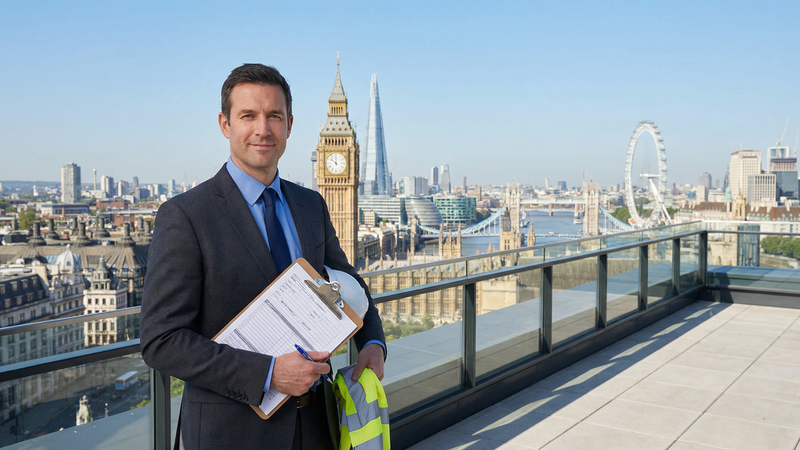
Hospitals and healthcare premises require the most complex fire safety strategies of any building type due to the presence of patients who cannot self-evacuate. Healthcare fire risk assessments must follow HTM 05-01 guidance alongside the Regulatory Reform (Fire Safety) Order 2005, and must account for medical gas installations, progressive horizontal evacuation, and CQC fundamental standards.
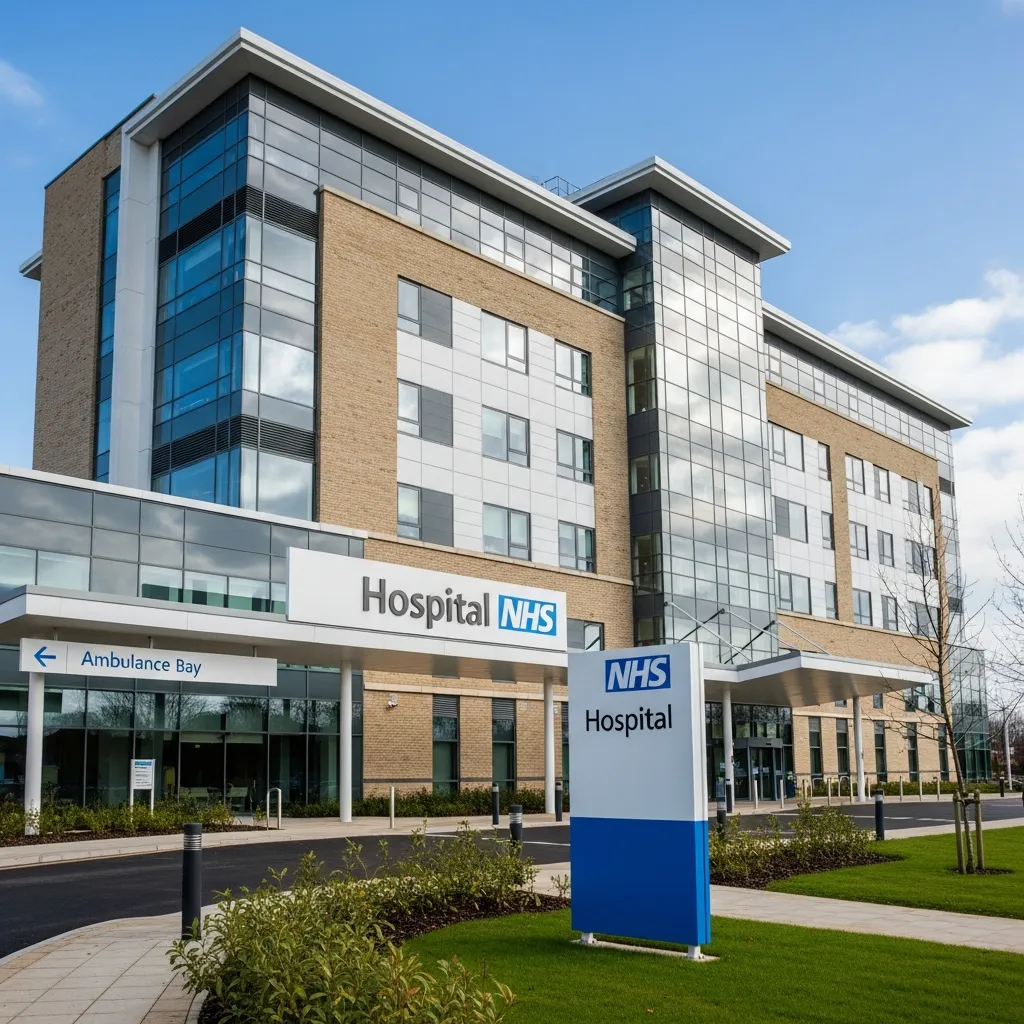
Serving Hospitals & Healthcare Facilities Across the UK
We work with NHS trust managers, hospital compliance officers, and private healthcare providers responsible for all types of healthcare premises:
- NHS trusts — acute hospitals, community hospitals, and specialist facilities
- Private hospitals — independent healthcare facilities
- Mental health units — secure and open facility assessment
- Day surgery centres — ambulatory care and outpatient facilities
- Community health centres — primary care and clinic facilities
Complete HTM-Compliant Assessment Package
Every hospital fire risk assessment includes a comprehensive package designed to meet all current legislative requirements and CQC inspection standards:
- Full clinical area survey — patient areas, ICU, operating theatres, A&E, and mental health units
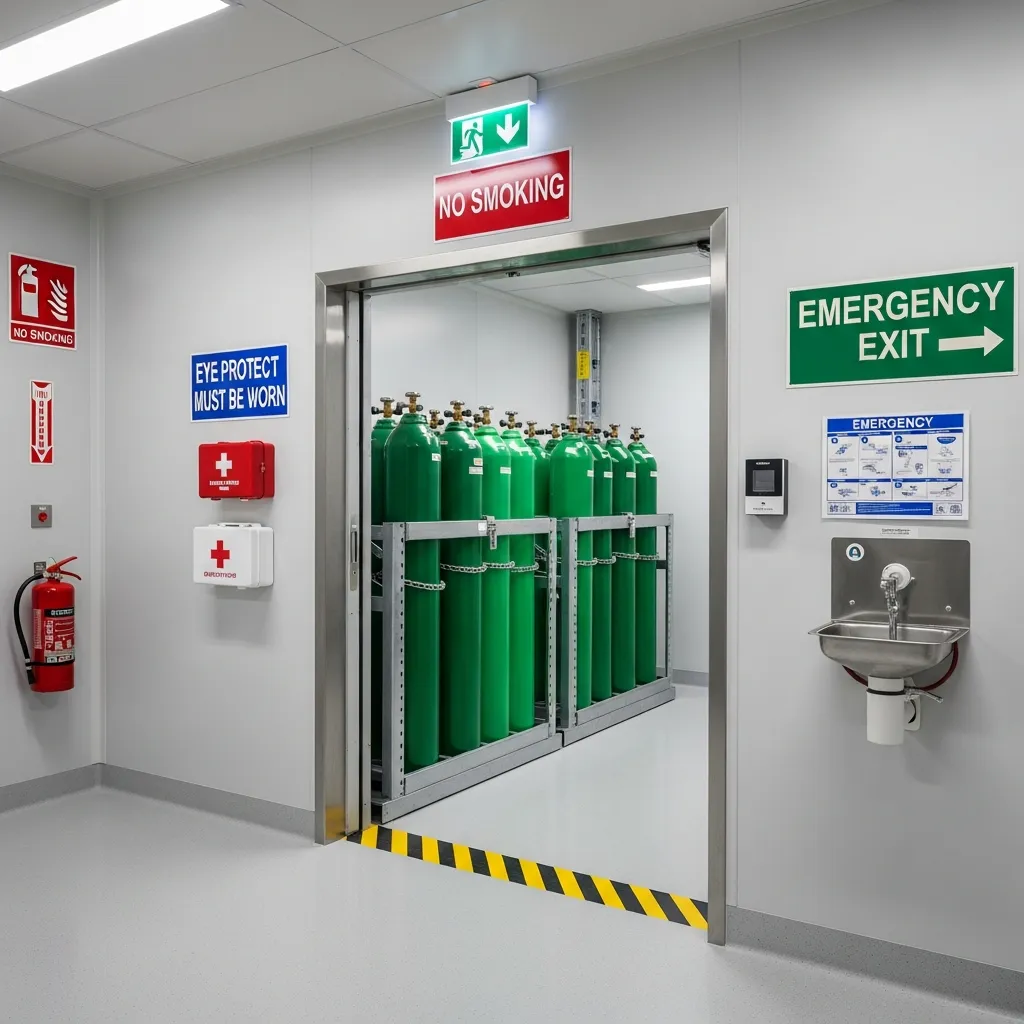
- Medical gas system assessment — oxygen storage, pipeline systems, manifold rooms
- Progressive horizontal evacuation — compartmentation, refuge areas, patient categorisation
- Operating theatre assessment — oxygen management, electrosurgical safety, ventilation
- Pharmaceutical storage review — COSHH/DSEAR compliance, flammable liquid storage
- Mental health unit evaluation — arson prevention, secure evacuation, ligature-resistant equipment
- Electrical system assessment — medical equipment loads, backup power, UPS systems
- Detailed photographic report — CQC-compliant with risk ratings and prioritised action plan
- Ongoing compliance support — guidance on implementing recommendations and review scheduling
Why NHS Trusts Choose Fire Assessment North
NHS trust managers and hospital compliance officers across the UK trust us for their facilities because we understand the specific challenges of healthcare fire safety:
- 5-day report delivery — comprehensive HTM-compliant reports for CQC inspections
- BAFE SP205 registered — independently audited and accredited
- HTM 05-02/03 specialists — healthcare-specific expertise, not generic checklists
- CQC-accepted documentation — reports recognised by inspectors without question
- Clinical understanding — pragmatic solutions that support patient care delivery
- Competitive pricing — from £2,995 for comprehensive trust assessments
Why Every Hospital Needs a Fire Risk Assessment
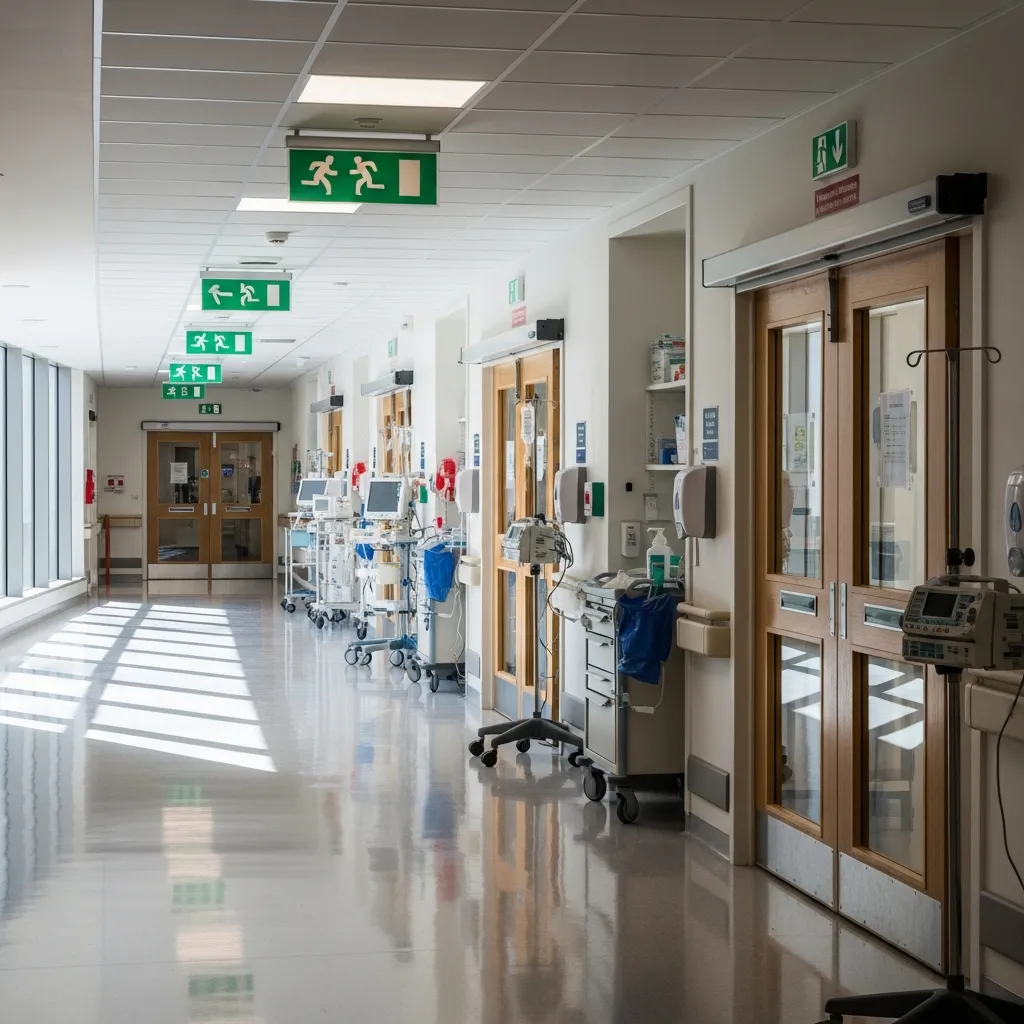
Healthcare facilities face unique fire risks that demand specialised assessment. With 1,327 NHS fires annually, compliance isn't optional — it's life-critical.
£2,995
Starting price for NHS trust assessments
Legal
Requirement under RRO 2005 and CQC standards
Annual
Review frequency for clinical areas
Hospitals operate 24/7 with vulnerable occupants who cannot self-evacuate. The Regulatory Reform (Fire Safety) Order 2005 and CQC fundamental standards make comprehensive fire risk assessments mandatory for all NHS trusts and private healthcare providers. HTM 05-02 and HTM 05-03 provide specific guidance for healthcare premises, requiring annual assessments for clinical areas. With medical oxygen systems present in 68% of operating theatre fires and 29% of incidents caused by arson, specialised healthcare fire safety expertise is essential.
Our Hospital-Specific 5-Step Process
We understand healthcare complexity. Our assessments address progressive horizontal evacuation, medical gas systems, and 24/7 operational challenges.
Clinical Area Survey
Comprehensive evaluation of patient areas, ICU, operating theatres, A&E, and mental health units.
Medical Gas Assessment
Detailed inspection of oxygen storage, pipeline systems, and medical equipment fire risks.
Evacuation Strategy
Progressive horizontal evacuation verification, compartmentation assessment, and patient categorisation.
HTM Compliance
Verification against HTM 05-02 design standards and HTM 05-03 operational requirements.
CQC Documentation
Comprehensive reports meeting CQC inspection standards with action plans and timelines.
6 Hospital Fire Hazards We Assess
These are the exact hazards that cause 1,327 NHS fires annually. We assess every single one with healthcare-specific expertise.
Medical Oxygen Systems
Medical oxygen systems represent the highest fire risk in healthcare facilities. Bulk oxygen storage often exceeds 20,000 SCF capacity, creating oxygen-enriched atmospheres that accelerate combustion and cause 68% of operating theatre fires. Hospital pipeline systems require three independent supply sources per BS EN 737-3:2000, with 24/7 manifold monitoring and oxygen sensors detecting leaks above 23.5% concentration.
Our Assessment:
Comprehensive medical gas system assessment including bulk storage separation verification (20-feet from combustibles), fire-rated enclosure inspection, pipeline integrity testing, manifold room safety evaluation, and oxygen sensor alarm functionality checks. We verify compliance with NFPA 99, NFPA 55, and BS EN 737-3:2000 standards.
Operating Theatre Fire Safety
Operating theatres present extraordinary fire risks from the combination of high oxygen concentrations, electrosurgical equipment producing 500°C heat, and flammable prep solutions. Surgical fires occur 550-650 times annually, with 70% during head, neck, and upper chest procedures. Oxygen concentration above 30% dramatically increases ignition risk.
Our Assessment:
Specialised operating theatre assessment including oxygen management protocol verification, electrosurgical equipment safety evaluation, ventilation system assessment (minimum 10 air changes per hour), flammable material storage review, and fire prevention time-out procedure validation.
Progressive Horizontal Evacuation
Hospitals cannot evacuate vertically like conventional buildings — many patients are sedated, bedbound, or connected to life-sustaining equipment. Progressive horizontal evacuation moves patients horizontally through fire-resistant barriers to adjacent compartments providing 30-minute protection refuges. Inadequate fire door maintenance and breached compartmentation compromise this critical strategy.
Our Assessment:
Comprehensive compartmentation assessment including fire door integrity inspection (30-minute and 60-minute ratings), automatic fire door closer functionality, compartment capacity calculations for adjacent area occupant loads, refuge area adequacy evaluation, and progressive evacuation route verification.
Electrical Medical Equipment
Modern hospitals operate extensive electrical medical equipment including MRI scanners, CT scanners, X-ray machines, ventilators, monitoring systems, and infusion pumps drawing significant electrical loads. Equipment operates 24/7 with limited maintenance windows. Patient bedside areas concentrate multiple electrical devices on single circuits. Many NHS facilities have aging electrical infrastructure.
Our Assessment:
Electrical system assessment including circuit load evaluation, medical equipment electrical safety inspection, PAT testing verification, emergency electrical shutdown accessibility, backup power supply adequacy (generators and UPS systems), and electrical infrastructure capacity analysis for current equipment demands.
Chemical & Pharmaceutical Storage
Hospital pharmacies and clinical areas store extensive pharmaceutical inventories including flammable solvents, alcohol-based preparations, and hazardous chemicals requiring COSHH and DSEAR compliance. Inadequate separation between incompatible chemicals, improper ventilation, and storage near ignition sources create fire and explosion risks.
Our Assessment:
Chemical and pharmaceutical storage assessment including COSHH and DSEAR compliance verification, flammable liquid storage cabinet inspection (fire-rated construction with spill containment), ventilation adequacy evaluation, incompatible substance separation verification, and storage quantity assessment against regulatory limits.
Mental Health Facility Risks
Mental health facilities face heightened arson risks, with 29% of NHS fires deliberately set and approximately one-fifth of hospital fire deaths linked to psychiatric patients. Secure environments need balanced evacuation strategies — preventing absconding while enabling rapid emergency egress. Staff must manage potentially aggressive or uncooperative patients during evacuations.
Our Assessment:
Mental health facility specialised assessment including ignition source elimination strategies, secure but accessible evacuation route design, ligature-resistant equipment fire safety evaluation, patient observation level adequacy, staff training assessment for managing disturbed patients during evacuations, and smoke detection system enhancement.
How Much Does a Hospital Fire Risk Assessment Cost?
Costs typically range from £2,995–£15,000 depending on facility size, complexity, and number of departments.
Factors affecting cost: Costs are influenced by bed capacity and patient occupancy, number of buildings and sites, specialised departments (ICU, operating theatres, A&E, mental health units), medical gas systems complexity, and required documentation depth for CQC compliance. Annual review costs are typically 40-60% of initial comprehensive assessments.
Frequently Asked Questions
Common questions from NHS trust managers, hospital compliance officers, and healthcare facility managers about fire safety.
How often should hospitals conduct fire risk assessments?
What is progressive horizontal evacuation in hospitals?
What are the main fire hazards in hospital settings?
How do HTM 05-02 requirements apply to hospital fire safety?
What special considerations apply to operating theatre fire safety?
How are mental health units addressed in hospital fire risk assessments?
What are CQC requirements for hospital fire risk assessments?
How should medical gas storage be assessed for fire safety?
What fire safety training do hospital staff require?
How much do hospital fire risk assessments cost?
Ready to Get Your Fire Risk Assessment for Hospitals?
Professional service from BAFE-accredited engineers. 24-hour turnaround. From £2,995 + VAT.