Fire Risk Assessment for
HMOs
Professional fire risk assessments for Houses in Multiple Occupation. BS 5839-6 compliant alarm systems, fire door inspection, escape route evaluation, and landlord compliance documentation. BAFE SP205 registered assessors.
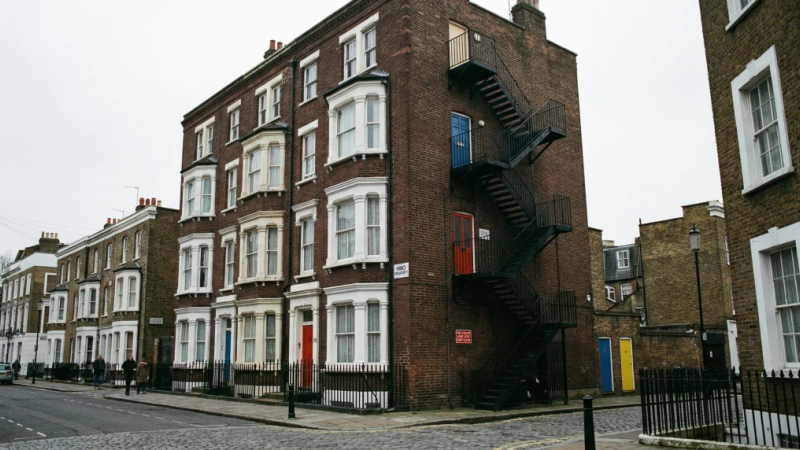
Houses in Multiple Occupation (HMOs) carry a heightened fire risk due to the number of unrelated occupants sharing facilities and escape routes. Under the Regulatory Reform (Fire Safety) Order 2005 and Housing Act 2004, landlords and managing agents have a legal duty to ensure adequate fire safety measures are in place, and local authorities often impose additional licensing conditions requiring up-to-date fire risk assessments.
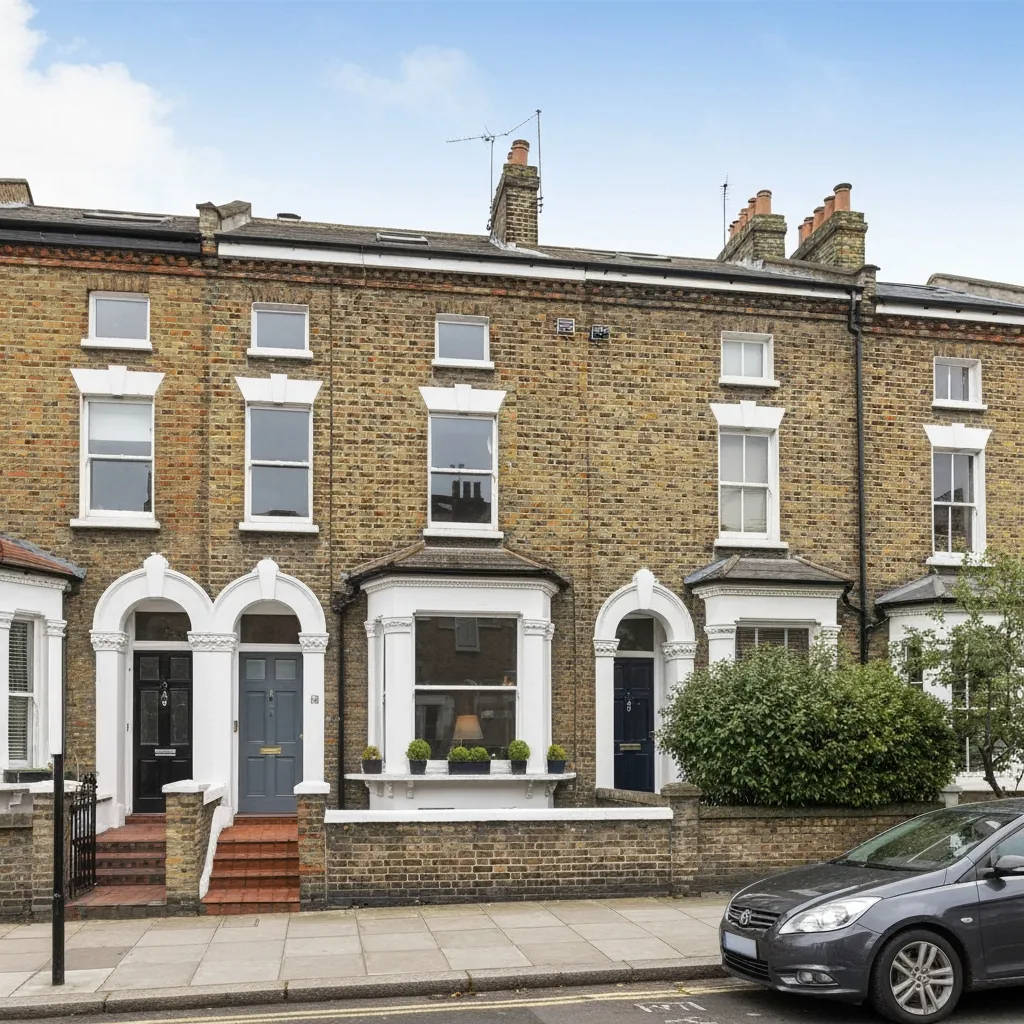
Serving HMO Landlords Across the UK
We work with HMO landlords, managing agents, and property investors responsible for all types of multi-occupied properties:
- Converted houses — period properties converted into bedsits or flats
- Purpose-built HMOs — modern buildings designed for multiple occupancy
- Student houses — shared student accommodation
- Licensed HMOs — properties requiring mandatory HMO licensing (5+ occupants)
- Portfolio landlords — multiple HMO properties under management
Complete HMO Fire Safety Assessment Package
Every HMO fire risk assessment includes a comprehensive package designed to meet all current legislative requirements and licensing standards:
- Full property inspection — communal areas, escape routes, fire doors, and safety equipment
- Kitchen fire safety assessment — shared kitchen layout, appliance safety, heat detection
- Fire door survey — FD30/FD60 ratings, self-closers, seals, gap measurements
- Fire detection system audit — BS 5839-6 Grade and Category compliance verification
- Escape route evaluation — travel distances, corridor widths, stairwell clearances
- Electrical safety review — consumer unit capacity, circuit protection, EICR verification
- Detailed photographic report — insurance-approved with risk ratings and prioritised action plan
- Ongoing compliance support — guidance on implementing recommendations and review scheduling

Why HMO Landlords Choose Fire Assessment North
HMO landlords and managing agents across the UK trust us for their properties because we understand the specific challenges of multi-occupied housing fire safety:
- 24-hour turnaround on standard assessments — licensing deadlines met every time
- BAFE SP205 registered — independently audited and accredited
- HMO licensing specialists — documentation accepted by all local authorities
- Portfolio discounts — reduced rates for landlords with 5+ properties
- Fixed transparent pricing — from £250, no hidden costs
- Tenant safety guides — customised fire safety information for residents
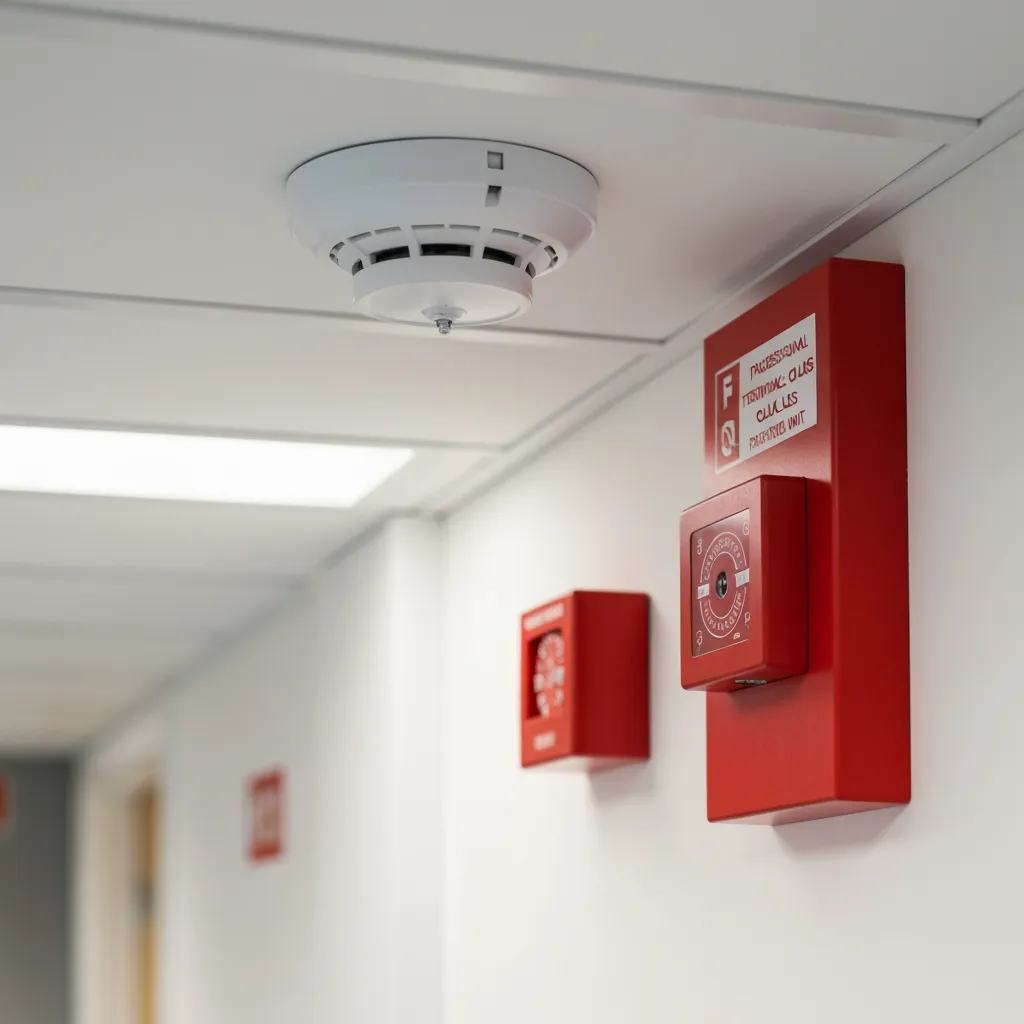
Why Every HMO Landlord Must Have a Fire Risk Assessment
Enforcement actions against HMO landlords increased 12% last year. Don't risk your rental income with non-compliance.
588,855
Home fire safety visits conducted in 2024-2025
51,020
Fire safety audits with 58% satisfactory rate
£14,556
Average enforcement fine for HMO violations
It's the law. Under the Regulatory Reform (Fire Safety) Order 2005 and Housing Act 2004, every HMO landlord must have a current fire risk assessment — no exceptions. Here's the reality: only 58% of HMO audits pass inspection (lowest since 2011). The other 42% face enforcement notices, fines up to £30k, and potential property closure. Where does your property stand?
How We Protect Your Property & Income
Our proven 5-step process has helped landlords pass inspections and avoid enforcement action.
Site Inspection
Comprehensive walk-through of all communal areas, escape routes, and fire safety equipment.
Hazard Identification
Detailed evaluation of fire hazards specific to HMO configurations and occupancy patterns.
Risk Evaluation
Assessment of people at risk including vulnerable occupants and escape route adequacy.
System Testing
Verification of fire detection, alarm systems, emergency lighting, and fire door compliance.
Report Delivery
Insurance-approved report with priority action plan delivered within 24 hours.
6 Reasons HMOs Fail Inspections
These are the exact violations that trigger enforcement notices. We check every single one.
Shared Kitchen Fire Risks
Shared kitchens with multiple occupants cooking simultaneously present the highest fire risk in HMOs. UK fire statistics reveal 87% of HMO fires originate in communal kitchens, with 44% of all fires being cooking-related. Multiple cooking appliances, varying tenant awareness levels, and inadequate supervision create significant ignition risks.
Our Assessment:
Assessment includes kitchen layout evaluation, appliance safety verification, heat detector placement (non-smoke detectors to prevent false alarms), fire blanket accessibility, and occupant fire safety education recommendations.
Electrical Safety & Overloading
HMOs experience higher electrical loads than standard residential properties due to multiple occupants using heating, charging devices, and appliances simultaneously. Government data shows 26% of dwelling fires result from electrical causes, with older HMO properties particularly vulnerable due to outdated wiring inadequate for modern electrical demands.
Our Assessment:
Electrical installation inspection covering consumer unit capacity, circuit protection adequacy, socket outlet loading, extension lead usage patterns, and EICR (Electrical Installation Condition Report) currency verification.
Fire Doors & Self-Closers
Fire doors in HMOs frequently suffer from tampering, wedging open for convenience, or removal of self-closing mechanisms by tenants. The Fire Safety (England) Regulations 2022 introduced mandatory quarterly checks on communal fire doors, with enforcement data showing 10,323 violations issued in 2024-2025 for fire door deficiencies.
Our Assessment:
Comprehensive fire door survey checking FD30/FD60 ratings, self-closing device functionality, intumescent seal integrity, gap measurements, and tenant education on fire door importance. Quarterly inspection schedule recommendations provided.
Escape Route Obstruction
Escape route obstruction ranks as the most frequent enforcement violation in HMOs. Tenants storing bicycles, furniture, or personal belongings in corridors and stairwells creates life-threatening evacuation delays. Fire and rescue authorities cite blocked escape routes in 68% of HMO prohibition notices issued.
Our Assessment:
Escape route analysis measuring corridor widths, stairwell clearances, final exit accessibility, and travel distances from furthest bedrooms. Storage solution recommendations and tenant management guidelines included in action plan.
Tenant Fire Safety Awareness
Transient occupancy patterns in HMOs result in varying levels of fire safety awareness among tenants. Research indicates 38% of HMO occupants engage in behaviours increasing fire risk (leaving cooking unattended, smoking indoors, disabling smoke alarms). High tenant turnover necessitates continuous fire safety education.
Our Assessment:
Landlord management system review including tenant fire safety briefing procedures, fire action notice adequacy, evacuation drill protocols, and fire safety information provision at tenancy commencement. Customised tenant fire safety guides provided.
Fire Alarm & Detection Systems
Many older HMOs operate with outdated or insufficient fire detection systems that don't meet current BS 5839-6:2019 standards. HMOs with 3+ storeys or 5+ occupants require Grade A systems (mains-powered with central control), while smaller properties need minimum Grade D systems (interlinked mains alarms).
Our Assessment:
Fire detection system audit determining required Grade (A or D) and Category (LD1, LD2, or LD3 coverage) based on property configuration. Upgrade specifications provided for non-compliant systems with supplier recommendations.
How Much Does an HMO Fire Risk Assessment Cost?
Costs typically range from £250–£850 depending on property size, number of storeys, and building complexity.
Factors affecting cost: Costs are influenced by number of storeys, number of occupants, property age, existing fire safety measures, and local authority requirements. Portfolios of 5+ properties benefit from bulk discount. HMO licensing applications may require additional documentation.
Frequently Asked Questions
Common questions from HMO landlords, managing agents, and property investors about fire safety compliance.
How much does an HMO fire risk assessment cost?
Do I need a fire risk assessment if my HMO has fewer than 5 occupants?
What's the difference between Grade A and Grade D fire alarm systems?
How often do HMO fire risk assessments need to be renewed?
What happens if my HMO fails a fire safety inspection?
Am I required to install fire doors in every bedroom?
Ready to Get Your Fire Risk Assessment for HMOs?
Professional service from BAFE-accredited engineers. 24-hour turnaround. From £250 + VAT.