Fire Risk Assessment for
High-Rise Buildings
Professional fire risk assessments for high-rise buildings over 18 metres. Building Safety Act 2022 compliance, EWS1 support, external wall assessment, and Accountable Person duties. BAFE SP205 registered assessors.
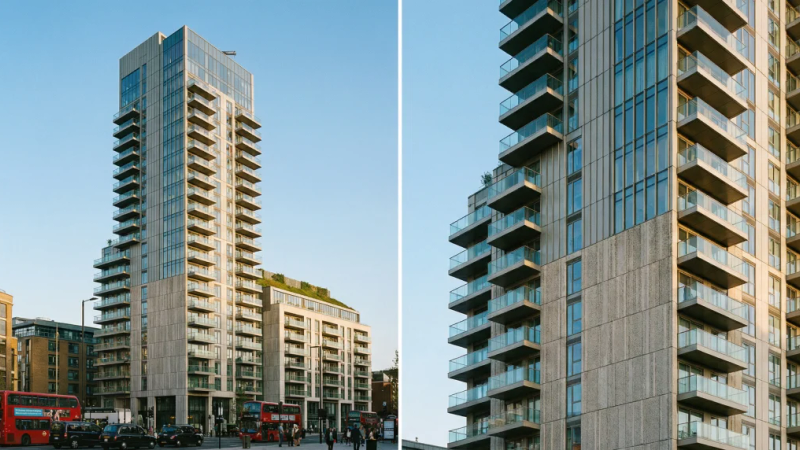
High-rise buildings over 18 metres present unique fire safety challenges that require specialist assessment. Following the Grenfell Tower fire and subsequent regulatory changes, high-rise buildings face heightened scrutiny around external wall systems, evacuation strategies, and firefighting access. The Building Safety Act 2022 introduced new requirements including building registration, Accountable Person duties, and enhanced compliance obligations.
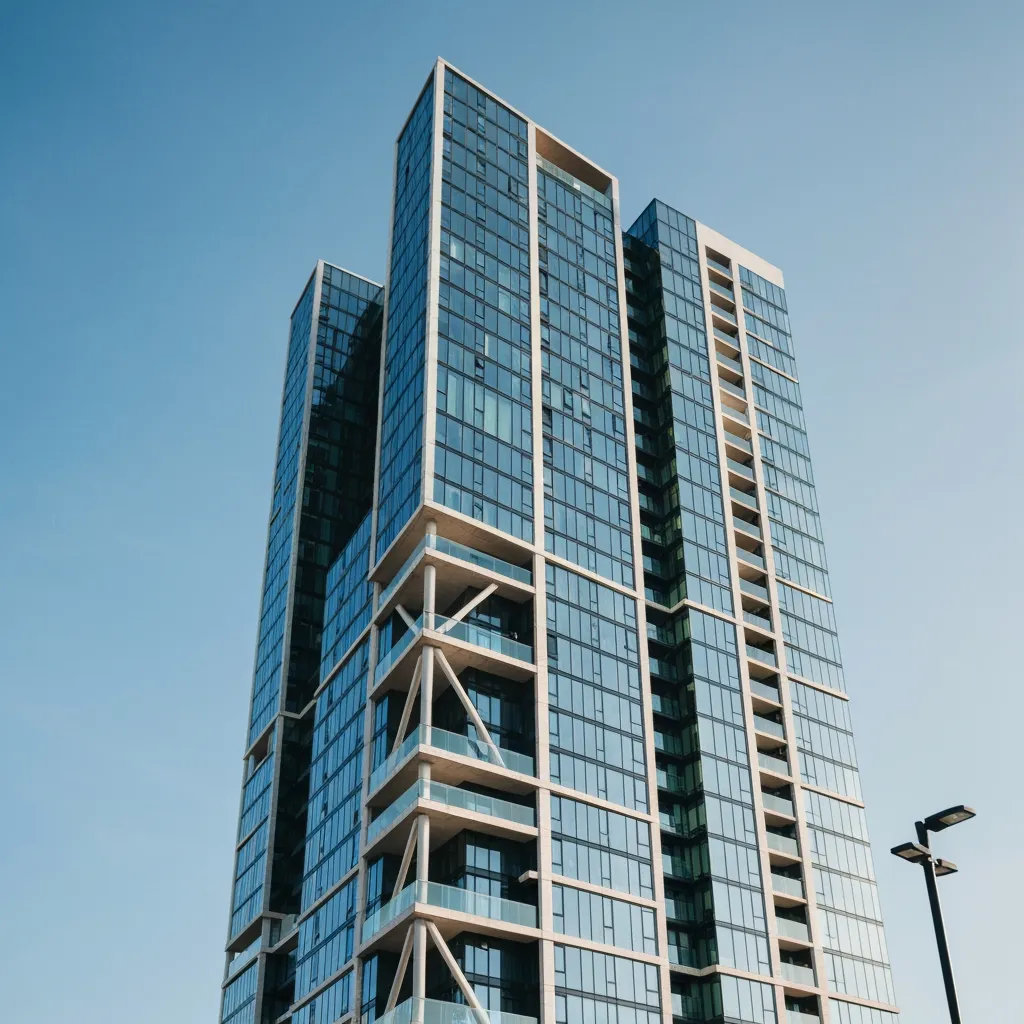
Serving High-Rise Buildings Across the UK
We work with building owners, freeholders, managing agents, and Accountable Persons responsible for all types of high-rise buildings:
- Residential towers — purpose-built blocks of flats
- Mixed-use high-rise — commercial units below residential
- Student accommodation towers — purpose-built high-rise student living
- Converted high-rise — older buildings with post-Grenfell compliance needs
- Portfolio management — multiple high-rise buildings under management
Complete Building Safety Act 2022 Compliance Package
Every high-rise fire risk assessment includes a comprehensive package designed to meet all current legislative requirements and Building Safety Regulator standards:
- Full building inspection — external walls, risers, lift shafts, stairwells, communal areas
- External wall assessment — cladding materials, ACM identification, cavity barriers, EWS1 support
- Compartmentation survey — fire barriers, floor penetrations, fire-stopping, fire doors
- Evacuation strategy evaluation — stay-put viability assessment, simultaneous evacuation planning
- Firefighting access review — firefighting lift compliance, pressurised stairwells, smoke control
- Accountable Person duties review — registration status, safety case documentation, resident engagement
- Detailed photographic report — Building Safety Regulator ready with risk ratings and prioritised action plan
- Ongoing compliance support — guidance on implementing recommendations and remediation scheduling
Why Building Owners Choose Fire Assessment North
Building owners and Accountable Persons across the UK trust us for their high-rise buildings because we understand the specific challenges of post-Grenfell fire safety:
- 24-hour turnaround on standard assessments — Building Safety Regulator ready
- BAFE SP205 registered — independently audited and accredited
- Post-Grenfell specialists — Building Safety Act 2022, EWS1, external wall expertise
- Accountable Person guidance — clear, actionable compliance support
- Evacuation strategy expertise — stay-put vs simultaneous evacuation assessment
- Competitive pricing — transparent fees from £750

Why Every High-Rise Building Owner Must Act Now
The Building Safety Act 2022 fundamentally changed how high-rise buildings are regulated. Non-compliance now carries unlimited fines.
588,855
Fire safety visits conducted in 2024-2025
14
Fire-related fatalities in high-rises (5-year total)
Unlimited
Maximum fine for Accountable Person failures
Post-Grenfell reforms changed everything. Buildings over 18 metres must now register with the Building Safety Regulator, designate Accountable Persons with legal responsibilities, demonstrate continuous fire safety compliance, and provide transparent resident engagement. The Building Safety Act 2022 introduced strict liability provisions with unlimited fines for safety failures. Are you meeting your legal obligations?
Our Comprehensive High-Rise Assessment Process
A specialised 5-step methodology developed specifically for buildings over 18 metres, ensuring full Building Safety Act 2022 compliance.
External Wall Review
Assessment of cladding materials, ACM panels, cavity barriers, and EWS1 form requirements.
Vertical Fire Spread Analysis
Evaluation of service risers, lift shafts, stairwells, and potential vertical fire pathways.
Compartmentation Inspection
Detailed survey of fire barriers, floor penetrations, and fire-stopping measures between compartments.
Evacuation Strategy Evaluation
Assessment of stay-put vs simultaneous evacuation viability based on building condition.
Firefighting Access Review
Verification of firefighting lifts, pressurised stairwells, and smoke control systems compliance.
6 Critical High-Rise Fire Risks Post-Grenfell
These building-specific hazards require specialised assessment by fire safety professionals who understand high-rise buildings.
Vertical Fire Spread (Risers & Shafts)
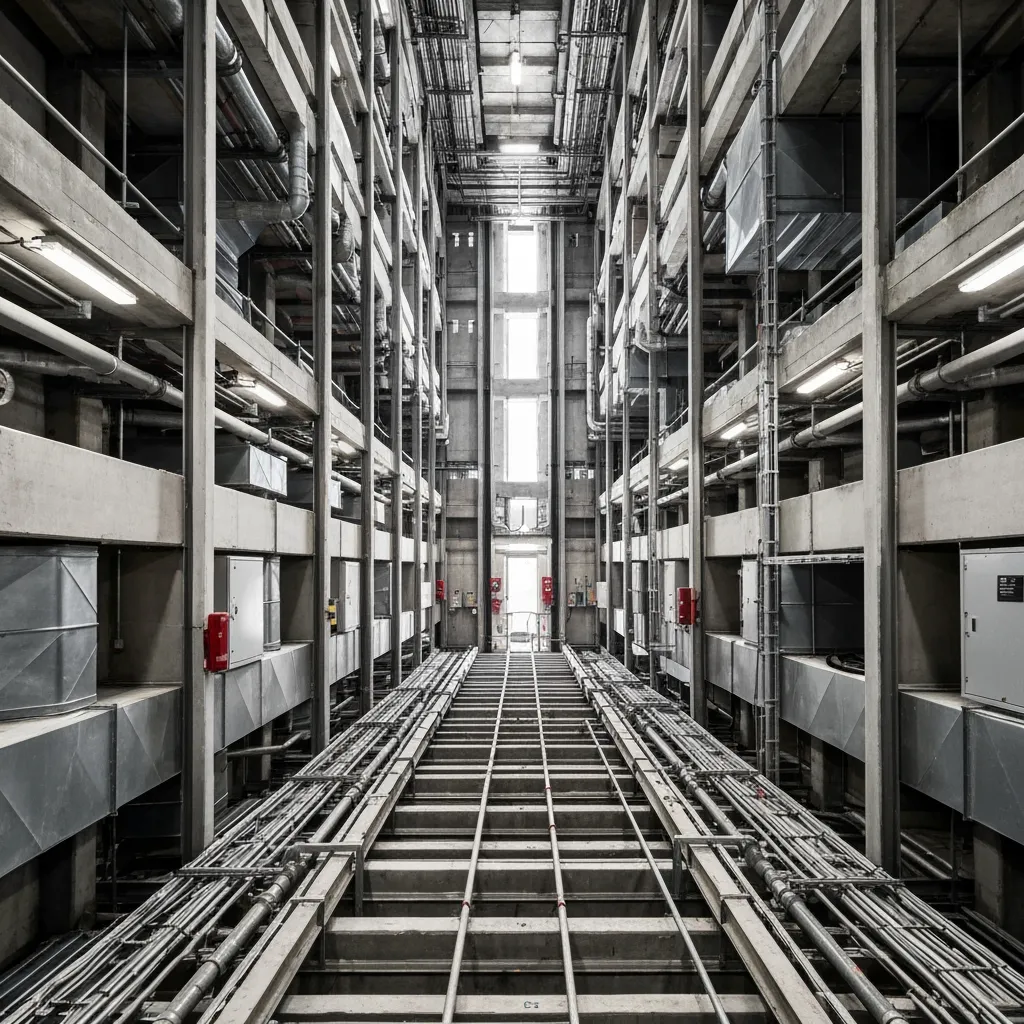
Service risers, lift shafts, and stairwell voids create continuous vertical pathways that can facilitate rapid fire and smoke spread from floor to floor. Unlike low-rise buildings, high-rises face catastrophic consequences if vertical fire spread occurs — potentially trapping residents on multiple floors simultaneously. Penetrations through floors for cables, plumbing, and ventilation often compromise fire compartmentation.
Our Assessment:
Comprehensive inspection of all service risers and vertical shafts, verification of fire-stopping materials around penetrations, assessment of lift shaft integrity and smoke control provisions, and evaluation of cavity barriers preventing hidden vertical spread behind cladding systems.
External Wall & Cladding Systems
The Grenfell Tower tragedy revealed catastrophic risks posed by combustible external wall systems, particularly ACM panels with polyethylene cores. Government data shows thousands of UK buildings still require cladding remediation. Buildings with non-compliant external walls typically require EWS1 forms for mortgage purposes, face property devaluation, and may need interim safety measures like waking watches costing £30,000+ monthly.
Our Assessment:
External wall system evaluation identifying combustible materials, assessment of cavity barriers and fire breaks, EWS1 form preparation support, interim safety measure recommendations for buildings awaiting remediation, and compliance verification with Building Regulations Approved Document B for buildings over 18m.
Stairwell Pressurisation & Smoke Control
High-rise buildings rely on mechanical pressurisation systems to maintain smoke-free escape routes and firefighting access during emergencies. These systems create positive air pressure in stairwells and lobbies, preventing smoke ingress. System failures can render stairwells unusable during evacuation, trapping residents. UK regulations now mandate monthly inspections of firefighting lifts and smoke control systems under Fire Safety (England) Regulations 2022.
Our Assessment:
Pressurisation system functionality testing, smoke control equipment inspection including fans and dampers, verification of pressure differential maintenance across fire doors, assessment of lobby smoke clearance provisions, and compliance verification with BS EN 12101 standards for smoke and heat control systems.
Evacuation Strategy Confusion
Post-Grenfell, many high-rise buildings transitioned from stay-put to simultaneous evacuation strategies, creating confusion among residents unfamiliar with changed procedures. Simultaneous evacuation of hundreds of residents creates stairwell congestion, extended evacuation times, and challenges for mobility-impaired occupants. Only 58% of fire safety audits achieve satisfactory ratings — partly due to inadequate evacuation planning.
Our Assessment:
Building-specific evacuation strategy assessment evaluating stay-put viability versus simultaneous evacuation requirements, stairwell capacity calculations for simultaneous evacuation scenarios, resident communication and fire safety information review, PEEP assessment for vulnerable residents, and fire drill procedure recommendations.
Firefighting Lift & Evacuation Lift Compliance
Buildings over 18 metres must provide at least one firefighting lift with protected lobby access per BS EN 81-72 standards. These specialised lifts enable fire crews to transport equipment to upper floors. Recent regulations also mandate evacuation lifts per BS 9991:2024 to assist mobility-impaired residents. Lifts must undergo monthly safety checks, with faults reported immediately to fire and rescue services.
Our Assessment:
Firefighting lift compliance verification with BS EN 81-72 standards, protected firefighting lobby assessment, evacuation lift requirement evaluation per BS 9991:2024, monthly inspection procedure review, and lift control override functionality testing enabling fire service operation during emergencies.
Compartmentation Integrity
Effective compartmentation is fundamental to stay-put evacuation policies — each flat must function as a fire-resistant compartment. However, compartmentation commonly fails due to service penetrations, missing fire-stopping materials, compromised fire doors, or building alterations. Government data shows compartmentation deficiencies as the primary cause of vertical fire spread in high-rise incidents.
Our Assessment:
Intrusive compartmentation survey examining floor-to-floor and flat-to-flat fire separation, fire-stopping inspection around all service penetrations, fire door integrity assessment including FD30/FD60 ratings and self-closing devices, cavity barrier verification preventing hidden fire spread, and stay-put strategy viability assessment.
How Much Does a High-Rise Fire Risk Assessment Cost?
Costs typically range from £750–£5,000+ depending on building height, number of flats, and complexity of fire safety systems.
Factors affecting cost: Costs are influenced by building height, number of flats, external wall system type, presence of sprinklers, evacuation strategy complexity, and whether Accountable Person duties apply under the Building Safety Act 2022. Buildings requiring EWS1 forms or waking watch replacement assessments may incur additional costs.
Frequently Asked Questions
Common questions from building owners, Accountable Persons, and managing agents about high-rise fire safety.
Do I need an EWS1 form for my high-rise building?
What changed after the Grenfell Tower fire?
Should we use stay-put or simultaneous evacuation?
How often do high-rise buildings need fire risk assessments?
What is compartmentation and why does it matter?
Do we need a dedicated firefighting lift?
What are the new Building Safety Act 2022 requirements?
What is a waking watch and when is it needed?
Who is the Accountable Person for our building?
How do we assess external wall fire safety?
Ready to Get Your Fire Risk Assessment for High-Rise Buildings?
Professional service from BAFE-accredited engineers. 24-hour turnaround. From £750 + VAT.